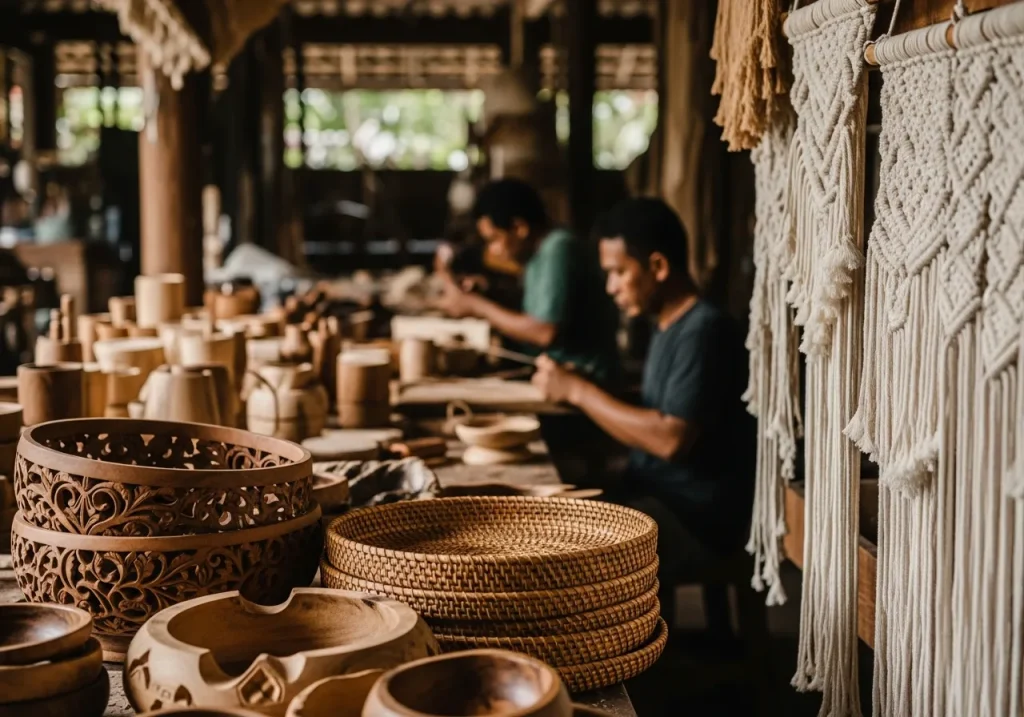
The Indonesian home decor market, which includes Bali-made products, is projected to grow from approximately USD 10.1 billion in 2024 to USD 11.1–11.3 billion by 2027, indicating an annual growth rate of 3–4%. Bali home decor wholesale is a niche yet strategically important export-driven segment, experiencing faster growth than the domestic average due to international demand and e-commerce.
Buyer Guide: Finding Certified FSC Suppliers for 2027 Wholesale Bali Home Decor
As the wholesale Bali home decor market continues its growth trajectory, understanding the importance of certified sustainable sourcing, particularly through the Forest Stewardship Council (FSC), becomes critical for importers, wholesalers, retailers, and interior contractors. This guide provides a factual overview of market dynamics and practical steps for identifying FSC-certified suppliers for your 2027 procurement needs.
1. Market Size & Growth (Indonesia/Bali Context)
The Indonesian home decor market reached USD 10.07 billion in 2024 and is projected to reach USD 14.19 billion by 2033, demonstrating a 3.88% Compound Annual Growth Rate (CAGR) from 2025–2033. IMARC’s 2025 valuation of USD 10.46 billion, with a 3.73% CAGR from 2026–2034, suggests an Indonesian market size of approximately USD 10.9–11.2 billion by 2027.
A separate Indonesia-focused study by 6Wresearch notes that the home decor market in Indonesia is expected to record a growth rate of 9.85% by 2027, set against strong regional competition in Asia. This 9.85% is presented as a near-term market growth rate, rather than a long-term CAGR, indicating potential acceleration driven by rising middle-class incomes and urban renovation demand.
Implication for Bali Wholesale:
Bali’s home decor output, encompassing furniture, handicrafts, and natural-material decor, is primarily accounted for within Indonesia’s furniture and handicraft exports and domestic tourism spending. No major statistical source isolates “Bali home decor” numerically. Given Bali’s role as a significant artisanal and tourism centre and the strong export orientation of many producers, a reasonable working assumption is that Bali-linked production constitutes a mid-single-digit percentage of Indonesia’s overall home decor and handicraft economy. Export-oriented producers often exceed the 3–4% national decor CAGR, particularly when catering to Western and Asia-Pacific importers who are experiencing their own market growth.
2. The Significance of FSC Certification for 2027 Procurement
FSC certification provides assurance that wood and wood-derived products originate from responsibly managed forests. For 2027 wholesale procurement, this certification will be increasingly vital due to evolving consumer demand, regulatory pressures, and corporate social responsibility (CSR) commitments. Buyers benefit from enhanced market access, improved brand reputation, and compliance with international sustainability standards.
2027 Note:
By 2027, expect increased scrutiny from major retail chains and interior design firms regarding the sustainability credentials of their supply chains. FSC certification will likely transition from a competitive advantage to a baseline requirement for many significant procurement contracts in the global home decor market.
3. Understanding FSC Certification Types
When sourcing, it is important to distinguish between the primary types of FSC certification applicable to wood products:
- FSC 100%: Products made entirely from virgin wood material sourced from FSC-certified forests.
- FSC Recycled: Products made entirely from reclaimed or recycled material.
- FSC Mix: Products made from a mix of FSC virgin material, recycled material, and/or controlled wood. Controlled wood is material from acceptable sources that are not FSC certified but meet specific criteria to avoid unacceptable sources.
For wholesale buyers, understanding these distinctions allows for precise communication with suppliers and accurate labelling of end products. Most Bali home decor products using new wood will likely fall under FSC 100% or FSC Mix, depending on the supplier’s material sourcing strategy.
4. Identifying Certified FSC Suppliers in Bali
Finding genuinely certified FSC suppliers requires a structured approach:
a. Utilise the FSC Public Search Database:
The most direct method is to use the FSC International Certificate Database. This online tool allows buyers to search for FSC-certified organisations by country, product type, and certificate code. Ensure the certificate is valid and covers the specific products you intend to purchase.
b. Engage with Established Export Houses:
Reputable export houses often work with a network of certified producers or hold their own Chain of Custody (CoC) certification. These entities can streamline the sourcing process and provide verified documentation. Enquire about their CoC number and verify it on the FSC database.
c. Request and Verify Documentation:
Always request copies of the supplier’s FSC certificate. Check the validity dates, the scope of certification (e.g., specific product categories, species), and the certificate holder’s name. Cross-reference this information with the FSC database. Be wary of suppliers who cannot readily provide this documentation or whose certificates appear inconsistent.
d. Supplier Audits and Visits:
For substantial orders, consider conducting or commissioning an independent audit of the supplier’s facilities. This can verify their adherence to FSC CoC standards in practice, from raw material reception to production and dispatch. Physical visits can also provide insights into their operational transparency and commitment to sustainable practices.
5. Key Considerations for 2027 Wholesale Orders
Planning for 2027 orders requires foresight regarding material availability, lead times, and potential price implications:
- Increased Demand for Certified Materials: As global sustainability mandates strengthen, demand for FSC-certified wood will likely increase, potentially affecting lead times and pricing. Early engagement with suppliers is advisable.
- Supply Chain Transparency: Work with suppliers who offer clear traceability of their raw materials. This transparency is crucial for your own reporting and for reassuring end-consumers.
- Quality Control: FSC certification primarily addresses environmental and social aspects of forestry. It does not inherently guarantee product quality. Maintain your standard quality control protocols alongside FSC verification.
- Communication: Clearly articulate your FSC requirements to potential suppliers from the outset of negotiations. Specify the desired FSC label type (e.g., FSC 100%, FSC Mix) for your products.
6. The Role of Indonesia’s Forest Management
Indonesia has made strides in sustainable forest management, with various initiatives supporting legal timber and responsible sourcing. While FSC is a globally recognised standard, it operates within a broader framework of national efforts to combat illegal logging and promote sustainability. Buyers should be aware that certified timber sources contribute to these wider objectives, reinforcing the integrity of the supply chain from forest to consumer.
Understanding the Indonesian context, including the country’s timber legality assurance system (SVLK), can provide additional confidence in the origin of materials, especially for products that might not be FSC certified but still adhere to strict legality standards.
7. Pricing and Value Proposition of FSC-Certified Products
While FSC-certified products may sometimes carry a marginal premium due to the costs associated with certification and sustainable forest management, this is often offset by the enhanced marketability and brand reputation benefits. The value proposition extends beyond the product itself, encompassing environmental stewardship and ethical sourcing, which are increasingly important to consumers and corporate buyers. For 2027, expect this value proposition to become even more pronounced as sustainability becomes a core purchasing criterion.
| Aspect | Non-FSC Certified | FSC Certified |
|---|---|---|
| Market Access | Limited by sustainability requirements | Broader access to ethical markets |
| Brand Reputation | Neutral to negative, depending on origin | Enhanced, demonstrates responsibility |
| Consumer Demand | Price-driven segments | Growing demand from conscious consumers |
| Compliance | Potential risks with future regulations | Proactive compliance with sustainability standards |
| Supply Chain Risk | Higher risk of unverified sourcing | Reduced risk, verified responsible sourcing |
By focusing on FSC-certified suppliers, wholesale buyers can ensure their Bali home decor imports meet international sustainability benchmarks, securing market relevance and contributing to responsible trade. This approach mitigates risks, enhances brand value, and aligns with the growing global demand for ethically sourced products.
For further assistance with your wholesale procurement, request a wholesale quote on WhatsApp to discuss your specific requirements for certified Bali home decor.